Showing posts with label Medical Science. Show all posts

Acetazolamide

Acetazolamide

Acetazolamide is a well-established carbonic anhydrase inhibitor with an extensive range of clinical applications. It plays a vital role in modern medicine, not only for common conditions like glaucoma and epilepsy but also for niche uses such as managing altitude sickness and idiopathic intracranial hypertension. With the constant evolution of clinical guidelines and practices, a deep understanding of how Acetazolamide functions, its therapeutic applications, dosing strategies, safety profile, and drug interactions is increasingly important for healthcare professionals.

Image source Google

Clonidine

Clonidine: A Comprehensive Guide for Safe and Effective Use

Clonidine is a trusted and extensively used medication in cardiovascular, neurological, and pain-related medical conditions. First introduced in the 1960s as an antihypertensive agent, Clonidine’s clinical applications have evolved significantly due to its unique ability to reduce central sympathetic nervous system output. From managing chronic high blood pressure to easing symptoms of drug withdrawal and attention-deficit hyperactivity disorder (ADHD), Clonidine remains a valuable therapeutic tool in modern medicine. Its broad usage, diverse forms, and well-documented pharmacological effects have made it a staple in both general practice and specialist settings.

Image source Google 

Ciprofloxacin

Ciprofloxacin: A Comprehensive Guide

Ciprofloxacin is a broad-spectrum antibiotic belonging to the fluoroquinolone class, widely used to treat various bacterial infections. Ciprofloxacin works by inhibiting bacterial DNA gyrase and topoisomerase IV—key enzymes involved in DNA replication. Thanks to its strong antimicrobial activity and availability in multiple formulations, Ciprofloxacin remains a cornerstone in modern antibacterial therapy.

Image source Google

Verapamil

Verapamil

Verapamil is a well-characterised member of the calcium channel blocker (CCB) family, specifically classified under the phenylalkylamine subclass. It exerts its pharmacological effects primarily on the myocardium and vascular smooth muscle, making it an essential therapeutic agent in cardiovascular medicine. Verapamil’s mechanism of action involves the inhibition of L-type calcium channels, thereby reducing intracellular calcium concentrations. This leads to a reduction in myocardial contractility and vasodilation, culminating in decreased peripheral vascular resistance, lower oxygen demand, and overall improved cardiac efficiency. Its diverse applications in clinical practice underscore its significance in managing various cardiovascular conditions.


Image source Google

Tetracycline

Tetracycline: A Comprehensive Scientific Overview

Tetracycline is a broad-spectrum antibiotic derived from the Streptomyces genus, first introduced in the 1940s. Belonging to the tetracycline class, it exerts its antibacterial action by inhibiting protein synthesis in susceptible microorganisms. By binding reversibly to the 30S ribosomal subunit, it obstructs the attachment of aminoacyl-tRNA to the ribosomal acceptor site, thereby halting peptide elongation. Despite the emergence of newer antimicrobial agents, tetracycline retains clinical relevance due to its pharmacoeconomic advantages and efficacy against a broad range of pathogens. It remains on the WHO List of Essential Medicines.


Image source of Google

Rifampicin

Rifampicin


Rifampicin is a potent, broad-spectrum antibiotic classified under the rifamycin group. It has demonstrated remarkable efficacy against numerous bacterial infections, especially those involving Mycobacterium species. Mechanistically, Rifampicin targets the beta subunit of bacterial DNA-dependent RNA polymerase, thus inhibiting RNA synthesis and arresting microbial replication. Originally derived in the 1960s from Streptomyces rifamycinica, Rifampicin revolutionised the treatment of tuberculosis (TB) and remains a core element of anti-TB regimens. Thanks to its excellent oral bioavailability and tissue penetration, Rifampicin is widely employed in diverse healthcare contexts globally.


Image source Google

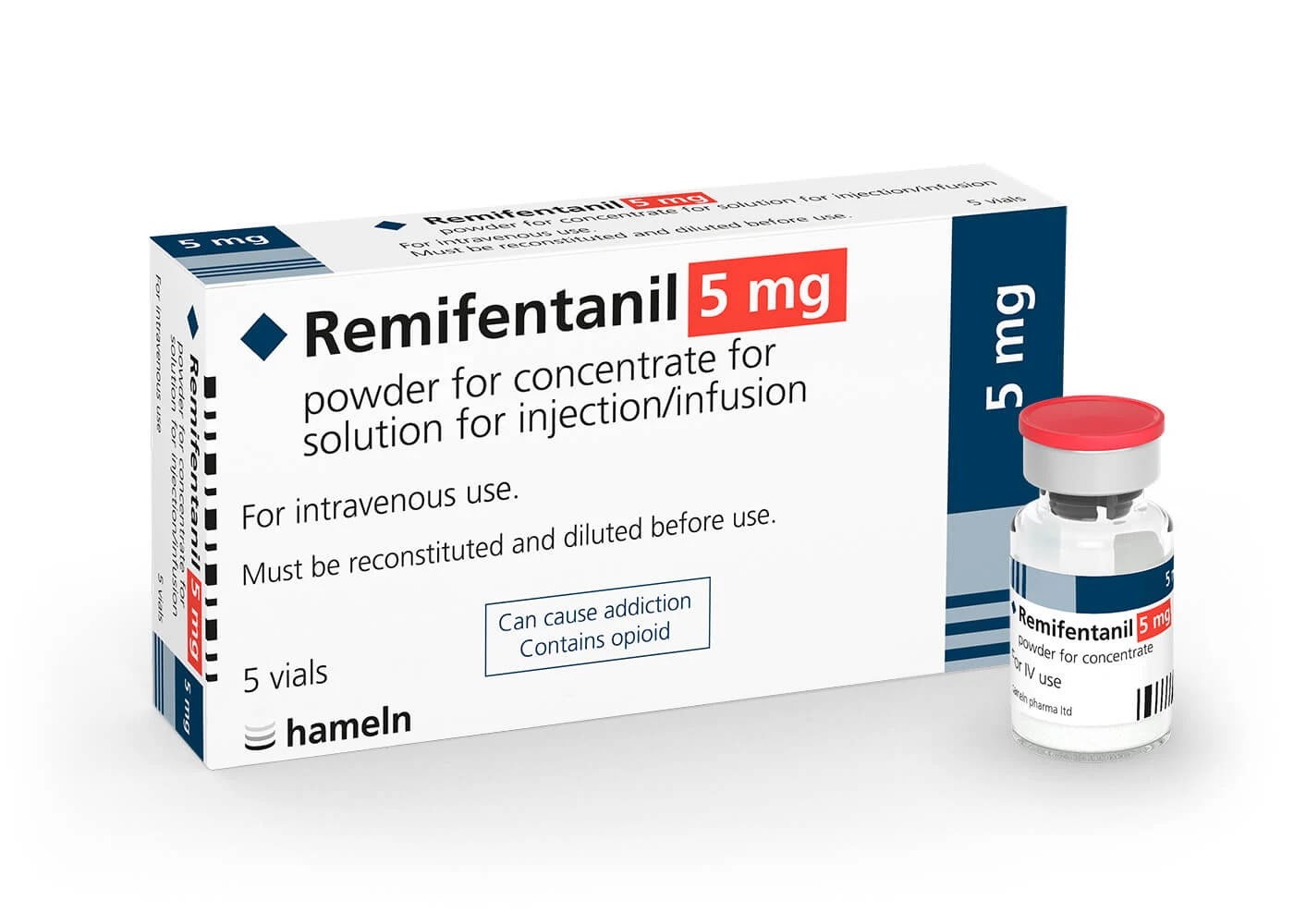
Remifentanil

Remifentanil

Remifentanil is a highly potent, ultra-short-acting synthetic opioid analgesic, primarily utilised in surgical settings for effective pain relief and sedation. Classified under the phenylpiperidine group of opioids, remifentanil stands out due to its rapid onset of action, typically within one to three minutes, and an exceptionally brief duration of effect. What makes remifentanil unique in the field of anaesthesia is its metabolism, which occurs through non-specific plasma and tissue esterases, rather than hepatic or renal pathways. This characteristic permits its safe administration across a broader range of patients and allows for swift recovery after discontinuation, making remifentanil a preferred choice in dynamic surgical procedures.


Image source Google

Propranolol

Propranolol: A Comprehensive Clinical Overview

Propranolol is a non-selective beta-adrenergic receptor antagonist that has maintained a central role in cardiovascular and neurological therapeutics since its inception in the 1960s. Due to its high lipophilicity, Propranolol readily crosses the blood-brain barrier, allowing it to exert effects on the central nervous system. By inhibiting both beta-1 and beta-2 adrenergic receptors, it reduces sympathetic nervous activity, leading to decreased heart rate, myocardial contractility, and systemic vascular resistance. Its clinical versatility and long-established safety make it indispensable in both acute and chronic medical care.


Image source Google

Montelukast

Montelukast: Comprehensive Overview

Montelukast is a selective leukotriene receptor antagonist (LTRA) widely employed for the prophylactic and maintenance treatment of asthma and the alleviation of allergic rhinitis symptoms. It acts by competitively inhibiting leukotriene binding to receptors on airway smooth muscles and vascular endothelium. Leukotrienes are potent inflammatory mediators that contribute to asthma by promoting bronchoconstriction, mucus secretion, and airway oedema. By mitigating these effects, Montelukast reduces airway inflammation, improves airflow, and provides symptomatic relief, serving as a vital oral adjunct or alternative to inhaled therapies.


Image source Google

Acyclovir

Acyclovir: An In-Depth Review

Acyclovir is a synthetic purine nucleoside analogue, derived from guanine, primarily used as an antiviral agent against the Herpesviridae family, notably herpes simplex virus types 1 and 2 (HSV-1 and HSV-2), and varicella-zoster virus (VZV). It operates by selectively inhibiting viral DNA synthesis, thus interrupting replication within infected host cells. Introduced in the late 1970s, Acyclovir revolutionised herpesvirus management and remains a cornerstone of antiviral pharmacotherapy due to its high specificity and low host cell toxicity.


Sucralfate

Sucralfate: A Comprehensive Review

Sucralfate is a unique gastroprotective agent, primarily indicated for the treatment of peptic ulcer disease and related gastrointestinal conditions. Unlike most pharmacologic interventions that exert systemic effects, sucralfate acts locally within the gastrointestinal tract. Composed of sucrose octasulfate and aluminium hydroxide, it reacts with gastric acid to form a sticky, gel-like complex that adheres to ulcerated mucosa. This barrier protects damaged tissue from the corrosive effects of acid, pepsin, and bile salts, thereby facilitating mucosal healing without significantly altering gastric pH.


Image source Google

Amoxicillin

Amoxicillin: A Comprehensive Clinical Review

Amoxicillin is a widely utilised beta-lactam antibiotic within the penicillin family, recognised for its broad-spectrum activity and robust pharmacological profile. By inhibiting penicillin-binding proteins (PBPs), amoxicillin disrupts bacterial cell wall synthesis, leading to cell lysis and bacterial death. With excellent oral bioavailability and a favourable safety profile, amoxicillin is commonly used in both paediatric and adult populations. Despite rising antimicrobial resistance, it remains a cornerstone in empiric and directed therapy across a broad spectrum of infections.


Image source Google

Ranitidine

Comprehensive Overview of Ranitidine

Ranitidine, a histamine H2-receptor antagonist, is a pharmacological agent that inhibits gastric acid secretion by competitively blocking H2 receptors on the parietal cells of the stomach. Introduced under the brand name Zantac in the late 1970s, ranitidine rapidly gained prominence as a treatment for acid-related gastrointestinal disorders due to its improved safety and efficacy over earlier H2 antagonists like cimetidine. Although global recalls were initiated in response to contamination with N-nitrosodimethylamine (NDMA), the reformulation and reapproval of ranitidine under strict regulatory standards have reinstated its clinical relevance.


Image source Google

Nalbuphine

Nalbuphine

Nalbuphine is a semi-synthetic opioid analgesic that operates through a distinctive pharmacological mechanism, serving as both an agonist and antagonist of opioid receptors. Specifically, Nalbuphine activates kappa opioid receptors while concurrently blocking mu opioid receptors. This unique receptor profile enables Nalbuphine to provide effective analgesia while minimising the risk of severe respiratory depression commonly associated with traditional opioids such as morphine. Due to this favourable safety profile, Nalbuphine is extensively utilised in clinical practice, particularly within surgical and emergency medicine. Classified as a Schedule II controlled substance, Nalbuphine demonstrates a relatively lower potential for misuse, making it an attractive choice in settings requiring dependable pain control.


Image source Google

Insulin

Insulin: A Comprehensive Overview

Insulin is a vital polypeptide hormone that plays a central role in glucose homeostasis, particularly in individuals with diabetes mellitus. Synthesised by beta cells in the pancreatic islets of Langerhans, insulin facilitates glucose uptake into muscle and adipose tissues while suppressing hepatic glucose production. In type 1 diabetes, endogenous insulin secretion is absent, whereas in type 2 diabetes, insulin resistance or impaired secretion necessitates exogenous administration. Clinically formulated insulin is essential for controlling hyperglycaemia and preventing both microvascular and macrovascular diabetic complications.


Image source Google

Dog Bites

Dog Bites: A Comprehensive Academic Overview of Aetiology, Management, and Preventive Strategies


A dog bite, defined as a penetration or abrasion of the skin resulting from canine dentition, constitutes a significant public health concern globally. Despite their ubiquity as companion animals, dogs are responsible for millions of bite-related injuries annually, often necessitating clinical intervention. Pediatric populations are particularly vulnerable due to their behavioural tendencies and smaller physical stature.

Beyond acute trauma, dog bites pose serious risks due to their potential to transmit pathogenic organisms. Rabies, an invariably fatal viral encephalitis, is of principal concern in endemic regions. Additional complications include bacterial infections such as cellulitis, tetanus, and in some cases, psychological sequelae such as post-traumatic stress disorder (PTSD). The interdisciplinary approach to managing dog bites must include immediate wound care, infection prophylaxis, and legal reporting protocols.


Image source Google

Methyldopa

Methyldopa: A Comprehensive Clinical Overview

Methyldopa is a centrally acting antihypertensive agent used primarily in the management of elevated blood pressure, with a notable emphasis on its safety profile during pregnancy. It is metabolised into alpha-methyl norepinephrine within the central nervous system (CNS), where it activates central alpha-2 adrenergic receptors. This action reduces sympathetic outflow, thereby decreasing peripheral vascular resistance and lowering blood pressure. Structurally similar to L-DOPA, methyldopa holds historical significance as one of the earliest central antihypertensives and remains clinically relevant today due to its safety in specific populations.


Image source Google

Methohexital

Methohexital: A Comprehensive Review

Methohexital is an ultra-short-acting barbiturate anaesthetic primarily used to induce general anaesthesia and procedural sedation, particularly for brief diagnostic and therapeutic interventions. Marketed under the brand name Brevital, Methohexital works by swiftly depressing central nervous system (CNS) activity, leading to unconsciousness within approximately 30 seconds when administered intravenously. Owing to its rapid onset and short duration of action, Methohexital is especially valuable in outpatient surgical settings, minor interventions, and emergency procedures. As a Schedule IV controlled substance, strict adherence to handling and administration protocols is mandatory.


Image source Google

Linezolid

Linezolid: A Comprehensive Academic Overview

Linezolid is a fully synthetic antibiotic belonging to the oxazolidinone class, developed to address infections caused by resistant Gram-positive bacteria. It demonstrates notable efficacy against multidrug-resistant pathogens such as methicillin-resistant Staphylococcus aureus (MRSA), vancomycin-resistant Enterococcus faecium (VRE), and penicillin-resistant Streptococcus pneumoniae. Linezolid acts by binding to the 50S subunit of the bacterial ribosome, thereby inhibiting the formation of the initiation complex essential for protein synthesis. This novel mechanism contributes to its lack of cross-resistance with other antimicrobial classes, making Linezolid indispensable in the management of challenging infections.


Image source Google

Triclofos (Pedicloryl)

Triclofos (Pedicloryl)

Triclofos (Pedicloryl) is a chloral hydrate derivative commonly employed as a sedative-hypnotic, especially within paediatric settings. It functions by depressing central nervous system (CNS) activity, promoting sedation that facilitates diagnostic evaluations in young patients. Administered orally, typically as a palatable syrup, Triclofos (Pedicloryl) provides an effective, non-invasive alternative to general anaesthesia for procedures such as EEGs and neuroimaging. This drug remains an essential component in paediatric procedural sedation due to its favourable safety profile and ease of administration.


Image source Google

My Blog List