Showing posts with label Anesthetics. Show all posts

Methohexital

Methohexital: A Comprehensive Review

Methohexital is an ultra-short-acting barbiturate anaesthetic primarily used to induce general anaesthesia and procedural sedation, particularly for brief diagnostic and therapeutic interventions. Marketed under the brand name Brevital, Methohexital works by swiftly depressing central nervous system (CNS) activity, leading to unconsciousness within approximately 30 seconds when administered intravenously. Owing to its rapid onset and short duration of action, Methohexital is especially valuable in outpatient surgical settings, minor interventions, and emergency procedures. As a Schedule IV controlled substance, strict adherence to handling and administration protocols is mandatory.


Image source Google

Mivacurium

Mivacurium: An Advanced Review

Mivacurium is a short-acting, non-depolarising neuromuscular blocking agent (NMBA) belonging to the benzylisoquinolinium class. It exerts its pharmacological action by competitively antagonising acetylcholine at nicotinic receptors within the neuromuscular junction, thereby inhibiting synaptic transmission and inducing skeletal muscle relaxation. Its clinical utility is underscored by its favourable pharmacokinetic profile, which includes rapid onset and brief duration of action, making it particularly advantageous in procedures necessitating transient neuromuscular blockade.


Image source Google

Isoflurane

Isoflurane: A Comprehensive Analysis

Isoflurane is a halogenated ether widely employed as an inhalational anaesthetic agent. Its predictable pharmacokinetics, cardiovascular stability, and ability to provide reliable depth control of anaesthesia make it highly valued in clinical practice. Isoflurane acts primarily through the modulation of neuronal ion channels, enhancing gamma-aminobutyric acid (GABA) receptor activity, which induces central nervous system depression and unconsciousness. Its minimal hepatic metabolism and rapid washout render it advantageous in both human and veterinary medicine, particularly for prolonged procedures requiring meticulous anaesthetic control.


Image source Google

Atracurium

Atracurium

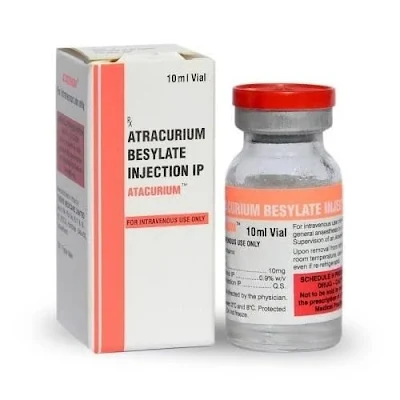
Atracurium is a benzylisoquinolinium-derived, non-depolarizing neuromuscular blocking agent (NMBA) utilized in anesthesia and critical care settings to facilitate skeletal muscle relaxation. It exerts its pharmacologic effect through competitive inhibition of nicotinic acetylcholine receptors at the neuromuscular junction, effectively preventing synaptic transmission and inducing paralysis. A key distinguishing characteristic of atracurium is its metabolism, which occurs predominantly via Hofmann elimination, a non-enzymatic, pH- and temperature-dependent degradation process. This unique metabolic pathway renders atracurium independent of hepatic or renal clearance, positioning it as an optimal NMBA in patients with compromised organ function. Its clinical utility is further enhanced by its relatively predictable pharmacokinetics and moderate onset and duration of action.


Etomidate

Etomidate

Brief Description

Etomidate is a potent, ultra-short-acting intravenous hypnotic agent belonging to the imidazole derivative class. Its clinical application predominantly lies in the induction of general anesthesia and procedural sedation, particularly in hemodynamically unstable patients or those with cardiovascular compromise. Etomidate's pharmacologic mechanism involves selective modulation of gamma-aminobutyric acid type A (GABA-A) receptor channels, enhancing chloride ion conductance and leading to neuronal hyperpolarization and central nervous system (CNS) depression. This drug's pharmacological profile is characterized by rapid onset, short duration of action, and minimal impact on hemodynamics, making it a preferred choice in various emergency and critical care scenarios.

However, etomidate's inhibition of adrenal 11β-hydroxylase, which suppresses corticosteroid synthesis, is a clinically significant concern, particularly in critically ill patients. This feature has prompted caution regarding its use in prolonged infusions and certain disease states.


Rocuronium

Rocuronium

Overview

Rocuronium is a synthetic, non-depolarizing neuromuscular blocking agent (NMBA) belonging to the aminosteroid class. It is routinely employed in anesthetic practice to facilitate skeletal muscle relaxation during surgical procedures and to aid in endotracheal intubation. Mechanistically, it functions as a competitive antagonist at nicotinic acetylcholine receptors on the motor endplate, thereby preventing the depolarization necessary for muscle contraction. Owing to its rapid onset and intermediate duration of action, rocuronium has become a mainstay for rapid-sequence intubation and procedures requiring reliable neuromuscular blockade.

Propofol

Propofol

Propofol is a short-acting intravenous anesthetic agent used primarily for the induction and maintenance of anesthesia, procedural sedation, and sedation in intensive care settings. Its rapid onset, short duration of action, and antiemetic properties make it a popular choice in clinical practice.


Uses

  • Induction of Anesthesia: Rapid onset for surgical and diagnostic procedures.
  • Maintenance of Anesthesia: Continuous infusion to maintain anesthesia depth.
  • Sedation: Utilized for procedural sedation and sedation of mechanically ventilated patients in the ICU.
  • Postoperative Nausea and Vomiting (PONV): May reduce incidence due to antiemetic properties.
  • Status Epilepticus: Effective in refractory seizures when other treatments fail.


Dosage and Administration

Induction of Anesthesia

  • Adults: 1.5-2.5 mg/kg IV bolus.
  • Elderly Patients: 1-1.5 mg/kg due to increased sensitivity.
  • Pediatrics (>3 years): 2.5-3.5 mg/kg IV bolus.

Maintenance of Anesthesia

  • Adults and Pediatrics: Continuous infusion of 100-200 mcg/kg/min, titrated to effect.

Sedation

  • Adults: 0.5-1 mg/kg IV bolus, followed by continuous infusion of 25-75 mcg/kg/min.
  • Pediatrics: Continuous infusion of 50-150 mcg/kg/min, titrated to effect.

Status Epilepticus

  • Initial dose: 1-2 mg/kg IV, followed by continuous infusion at 20-100 mcg/kg/min.


Dose Adjustments in Different Diseases

  • Renal Impairment: No significant adjustment required; caution with prolonged use.
  • Hepatic Impairment: Use with caution due to metabolism in the liver.
  • Elderly: Reduced dose recommended due to increased sensitivity.
  • Hypovolemic or Critically Ill Patients: Lower initial doses to avoid hypotension.


Drug Combinations in Use

  • Lidocaine: Co-administration to reduce injection site pain.
  • Opioids (Fentanyl, Morphine): Synergistic effect for enhanced sedation and analgesia.
  • Benzodiazepines (Midazolam): Used to enhance sedation and reduce propofol dosage.
  • Neuromuscular Blockers: Commonly combined for surgical anesthesia.


Presentation/Form

  • Intravenous Emulsion:
    • 1% (10 mg/mL) solution in 10 mL, 20 mL, 50 mL, or 100 mL vials.


Pharmacokinetics

  • Onset: Rapid (within 30 seconds of IV administration)
  • Duration: Short (3-10 minutes after a bolus dose)
  • Metabolism: Extensive hepatic metabolism
  • Elimination: Primarily renal excretion
  • Half-Life: 2-24 hours (context-sensitive half-time increases with prolonged infusions)

Pharmacodynamics

  • Propofol enhances GABA-A receptor activity, leading to sedation, hypnosis, and amnesia.
  • Dose-dependent effects on cardiac output and systemic vascular resistance.


Drug Interactions

  • CNS Depressants: Potentiates sedative effects.
  • Opioids: Increased risk of respiratory depression.
  • Antihypertensives: Enhanced hypotensive effect.
  • Benzodiazepines: Synergistic sedative effects.
  • Enzyme Inhibitors: May prolong propofol clearance.


Comparison with Other Drugs in Same Category

Drug

Onset Time

Duration

Anti-Emetic Property

Risk of PRIS

Recovery Profile

Propofol

30 seconds

3-10 min

Yes

Yes

Fast

Thiopental

30-60 sec

5-10 min

No

No

Moderate

Etomidate

30-60 sec

3-5 min

No

No

Moderate

Ketamine

30-40 sec

5-10 min

No

No

Slow


Precautions and Special Considerations

  • Aseptic Technique: Propofol supports bacterial growth; discard unused portions within 12 hours.
  • Hypotension: Use with caution in hypovolemic or elderly patients.
  • Pediatric Use: Avoid prolonged infusions in children due to risk of PRIS.
  • Emergence Delirium: Lower incidence compared to inhaled anesthetics.
  • Propofol Abuse: Potential for abuse, particularly among healthcare workers.
  • Green Urine Phenomenon: Rare but benign side effect.
  • Pain on Injection: Minimized by using larger veins or co-administration with lidocaine.
  • Propofol Infusion Syndrome (PRIS): Monitor for metabolic acidosis, rhabdomyolysis, and cardiac failure during long-term infusions.


Side Effects

  • Common: Hypotension, bradycardia, respiratory depression, injection site pain, apnea.
  • Serious: Propofol infusion syndrome (PRIS), metabolic acidosis, rhabdomyolysis, and cardiac failure.


Recent Updates and Guidelines

  • Updated guidelines recommend the cautious use of propofol in critically ill patients due to PRIS risk.
  • Enhanced monitoring protocols during prolonged infusions.
  • Guidelines suggest pre-treatment with lidocaine to reduce injection pain.


Facts to Remember

  • Propofol has a rapid onset and short duration, making it ideal for outpatient procedures.
  • Anti-emetic properties differentiate it from many other anesthetic agents.
  • Strict aseptic techniques are essential due to the lipid emulsion formulation.
  • Monitor for PRIS during high-dose or prolonged infusions.
  • Faster recovery profile compared to other anesthetics.


References

  1. NCBI StatPearls - Propofol: https://www.ncbi.nlm.nih.gov/books/NBK430884/
  2. Stoelting’s Pharmacology and Physiology in Anesthetic Practice, 5th edition
  3. Miller’s Anesthesia, 9th edition
  4. Barash Clinical Anesthesia, 8th edition
  5. Propofol: Clinical Guidelines and Updates (Latest 2023 Version)

Bupivacaine

Bupivacaine

Bupivacaine is a long-acting amide-type local anesthetic commonly used in various forms of regional anesthesia. It functions by inhibiting sodium channels on nerve membranes, thereby preventing the initiation and conduction of nerve impulses. Bupivacaine's high potency and prolonged duration of action make it a preferred agent for surgical, obstetric, and postoperative pain management.


Uses:

  1. Regional Anesthesia: Epidural, spinal, and peripheral nerve blocks for surgical procedures.
  2. Postoperative Pain Management: Continuous infusion or single-injection techniques.
  3. Labor Analgesia: Epidural anesthesia for pain relief during childbirth.
  4. Chronic Pain Management: Nerve blocks for patients with chronic pain conditions.


Dosage and Administration:

Adults:

  • Epidural Anesthesia: Initial dose: 10-20 mL of 0.25% to 0.5% solution.
  • Continuous Epidural: 6-10 mL of 0.125% to 0.25% solution per hour.
  • Spinal Anesthesia: 0.5% solution, 1.5-3 mL for a block lasting 2-4 hours.

Pediatrics:

  • Caudal or Epidural Block: 0.25-0.5 mg/kg, adjusted based on weight and clinical response.
  • Subarachnoid Block (Infants):
    • <5 kg: 1 mg/kg
    • 5-15 kg: 0.4 mg/kg
    • 15 kg: 0.3 mg/kg

Toxic Dose:

  • Without epinephrine: 2.5 mg/kg (total dose < 175 mg per single injection).
  • With epinephrine: 3 mg/kg (total dose < 225 mg).


Dose Adjustment in Different Diseases:

  • Hepatic Impairment: Use with caution; consider reducing the dose due to impaired metabolism.
  • Renal Impairment: Minimal adjustment required, but monitor for accumulation with prolonged use.
  • Cardiovascular Disease: Lower doses recommended to reduce the risk of cardiotoxicity.


Drug Combinations in Use:

  • Epinephrine: Prolongs duration and decreases systemic absorption.
  • Opioids (e.g., fentanyl): Enhance analgesic effects during epidural analgesia.
  • Clonidine: Potentiates nerve block duration.
  • NSAIDs: Used adjunctively for postoperative pain relief.


Presentation/Form:

  • Injection Solutions: Available in 0.25%, 0.5%, and 0.75% concentrations.
  • Spinal Anesthesia (Bupivacaine Heavy): 0.5% heavy solution containing 8% glucose.
  • Isobaric Formulation: 0.5% plain solution with density similar to cerebrospinal fluid.
  • Liposomal Bupivacaine (EXPAREL): Long-acting formulation for postsurgical analgesia.


Pharmacokinetics:

  • Absorption: Dependent on site of administration and vascularity.
  • Distribution: Highly protein-bound (95%).
  • Metabolism: Primarily metabolized in the liver by cytochrome P450 enzymes.
  • Elimination Half-life: Approximately 3.5 hours in adults.
  • Excretion: Metabolites primarily excreted via urine.


Pharmacodynamics:

  • Onset: 10-20 minutes depending on the route.
  • Duration: 6-8 hours for peripheral nerve blocks; up to 72 hours with liposomal formulation.
  • Selective sensory block at low concentrations.


Drug Interactions:

  • Beta-blockers and Antiarrhythmics (e.g., amiodarone): Increase cardiodepressive effects.
  • Epinephrine: Enhances duration and reduces systemic absorption.
  • MAO Inhibitors and Tricyclic Antidepressants: Potentiate the effects of bupivacaine.
  • Drugs Prolonging QT Interval: Caution advised.


Comparison with Other Drugs in the Same Category:

Parameter

Bupivacaine

Ropivacaine

Levobupivacaine

Potency

High

Moderate

High

Cardiotoxicity

Higher

Lower

Lower

Onset

10-20 minutes

10-15 minutes

10-15 minutes

Duration

6-8 hours

4-6 hours

6-8 hours

Sensory vs. Motor Block

More sensory selective

Similar

Similar


Precautions and Special Considerations:

  • Pregnancy: Category C; use with caution.
  • Elderly: Increased sensitivity; consider dose reduction.
  • Liver Dysfunction: Monitor closely due to reduced metabolism.
  • Allergic Reactions: Rare but possible.
  • IV Regional Anesthesia: Contraindicated due to cardiotoxicity risk.


Side Effects:

  • Common: Hypotension, bradycardia, nausea, vomiting, shivering.
  • Serious: Local Anesthetic Systemic Toxicity (LAST), CNS symptoms (tinnitus, confusion, seizures), cardiovascular collapse (arrhythmias, cardiac arrest).


Local Anesthetic Systemic Toxicity (LAST):

  • Signs: Dizziness, circumoral numbness, tinnitus, CNS depression.
  • Management:
    • Stop bupivacaine immediately.
    • Airway support.
    • Administer 20% lipid emulsion therapy (1.5 mL/kg bolus, followed by 0.25 mL/kg/min infusion).
    • Follow ACLS protocols for cardiovascular collapse.


Recent Updates and Guidelines:

  • Liposomal bupivacaine (EXPAREL) has gained traction for enhanced postoperative analgesia.
  • Updated guidelines emphasize cautious dosing to reduce LAST risk.
  • Advances in drug delivery methods (e.g., catheters for continuous infusion).


Facts to Remember:

  • Bupivacaine has a higher risk of cardiotoxicity compared to other local anesthetics.
  • Differential nerve block properties provide sensory blockade at low concentrations.
  • Liposomal formulations extend analgesia up to 72 hours.
  • Monitoring for LAST is essential during high-dose or prolonged administration.


References:

  1. NCBI StatPearls - Bupivacaine: Link
  2. PMC - Bupivacaine Review: Link
  3. Stoelting’s Pharmacology and Physiology in Anesthetic Practice, 5th edition

Lignocaine

Lignocaine (Lidocaine)

Lignocaine (Lidocaine) is a widely used amide local anesthetic and Class IB antiarrhythmic agent. It stabilizes neuronal membranes by inhibiting sodium ion influx, which prevents nerve signal transmission. As an antiarrhythmic, it reduces cardiac excitability and electrical conduction in ischemic tissues.

Uses

  • Local Anesthetic: Used for local and regional anesthesia in minor surgeries, dental procedures, and nerve blocks.
  • Antiarrhythmic: Effective in the management of ventricular tachycardia and ventricular fibrillation.
  • Adjunct in Intubation: Reduces intracranial pressure during tracheal intubation.
  • Pain Management: Utilized for postoperative and chronic pain relief.

Dosage and Administration

Local Anesthesia (Plain)

  • Adults: 2-3 mg/kg (maximum dose: 300 mg).
  • Pediatrics: 1-1.5 mg/kg.

Local Anesthesia (With Epinephrine)

  • Adults: 5-7 mg/kg (maximum dose: 500 mg).
  • Pediatrics: 3-4 mg/kg.

Antiarrhythmic Use

  • Adults (IV): 1-1.5 mg/kg IV bolus. Repeat doses of 0.5-0.75 mg/kg every 5-10 minutes if needed (maximum 3 mg/kg).
  • Pediatrics: 1 mg/kg IV bolus followed by infusion at 20-50 mcg/kg/min.

Toxic Dose

  • Plain: >3 mg/kg.
  • With Epinephrine: >7 mg/kg.
  • Toxic Plasma Concentration: >5 mcg/mL.

Dose Adjustment in Different Diseases

  • Hepatic Impairment: Reduced clearance; lower doses recommended.
  • Renal Impairment: Minimal impact, but accumulation may occur with long-term use.
  • Heart Failure: Use with caution due to decreased hepatic perfusion.

Presentation or Form

  • Injectables: 0.5%, 1%, and 2% solutions in 5 mL and 10 mL ampoules.
  • Topical: 5% lidocaine patches, EMLA cream (2.5% lidocaine + 2.5% prilocaine).
  • Other Forms: Lidocaine gels, sprays, and ointments.

Pharmacokinetics

  • Absorption: Rapid absorption when administered parenterally.
  • Distribution: Widely distributed; 60-80% plasma protein binding.
  • Metabolism: Primarily in the liver by CYP1A2 and CYP3A4 enzymes.
  • Excretion: Renal; 90% excreted as metabolites.
  • Half-life: 90-120 minutes.

Pharmacodynamics

  • Mechanism of Action: Inhibits voltage-gated sodium channels, blocking nerve signal transmission. In cardiac tissue, it reduces excitability and conduction, particularly in ischemic areas.
  • Onset: 2-5 minutes.
  • Duration: 30 minutes to 3 hours (longer with epinephrine).

Drug Interactions

  • CYP3A4 Inhibitors (e.g., ketoconazole): Increase the risk of toxicity.
  • Phenytoin: Decreases lidocaine efficacy by enhancing metabolism.
  • Beta-blockers: May reduce lidocaine clearance.
  • Other Local Anesthetics: Increased risk of systemic toxicity.

Comparison with Other Drugs in the Same Category

  • Bupivacaine: Longer duration but higher cardiotoxicity.
  • Ropivacaine: Similar duration with a better safety profile for cardiac toxicity.
  • Mepivacaine: Faster onset but shorter duration compared to lidocaine.

Precautions and Special Considerations

  • Allergic Reactions: Avoid in patients with hypersensitivity to amide-type local anesthetics.
  • Cardiac Conditions: Use cautiously in heart block and bradycardia.
  • Pregnancy: Category B; safe when used appropriately.
  • Elderly: Lower doses recommended due to reduced hepatic metabolism.
  • Liver Disease: Dose adjustments are necessary.

Side Effects

  • Common: Dizziness, drowsiness, nausea, paresthesia.
  • Serious: Seizures, hypotension, bradycardia, arrhythmias.
  • Local Anesthesia Systemic Toxicity (LAST):
    • Early Symptoms: Tinnitus, circumoral numbness, metallic taste.
    • Advanced Symptoms: Seizures, coma, bradycardia, arrhythmias.
    • Management: Lipid rescue therapy (20% lipid emulsion)
      • Bolus: 1.5 mL/kg over 1 minute.
      • Infusion: 0.25 mL/kg/min for 30-60 minutes.

Recent Updates and Guidelines

  • American Heart Association (AHA) Guidelines: Lidocaine is recommended as an alternative to amiodarone for refractory ventricular fibrillation or pulseless ventricular tachycardia.
  • Enhanced Formulations: Development of extended-release lidocaine patches for chronic pain management.
  • FDA Updates: Emphasis on appropriate dosing to prevent systemic toxicity.

Facts to Remember

  • Maximum safe dose: 3 mg/kg (plain) and 7 mg/kg (with epinephrine).
  • Onset within 2-5 minutes; duration up to 3 hours.
  • Effective in managing ischemia-induced ventricular arrhythmias.
  • Lipid rescue therapy is crucial for LAST management.

References

  1. Stoelting’s Pharmacology and Physiology in Anesthetic Practice, 5th Edition.
  2. NCBI StatPearls - Lidocaine: https://www.ncbi.nlm.nih.gov/books/NBK539881/
  3. Local Anesthetic Systemic Toxicity - BJA Education: https://bjaed.org/article/S2058-5349(19)30040-0/fulltext
  4. American Heart Association Guidelines for Advanced Cardiac Life Support.
  5. FDA Drug Safety Communications on Lidocaine Formulations.

Thiopental

 Thiopental (Thiopentone Sodium) 

Thiopental, also known as thiopentone sodium, is an ultra-short-acting barbiturate commonly used in anesthesia. It induces rapid unconsciousness by enhancing gamma-aminobutyric acid (GABA) neurotransmission. Due to its neuroprotective properties, it has applications in various neurological and anesthetic procedures.

Uses:

  1. Induction of Anesthesia: Rapid onset makes it ideal for initiating general anesthesia.
  2. Neurosurgical Procedures: Preferred due to its ability to decrease intracranial pressure (ICP) and cerebral metabolic rate.
  3. Seizure Control: Effective in treating refractory status epilepticus.
  4. Cerebral Protection: Provides neuroprotection during cerebral ischemia.

Dosage and Administration:

Adults:

  • Induction of Anesthesia: 3-5 mg/kg IV bolus over 30 seconds.
  • Seizure Control:
    • Initial Bolus: 3-5 mg/kg IV.
    • Continuous Infusion: 0.5-3 mg/kg/hr, titrated to seizure control and patient tolerance.

Pediatrics:

  • Induction: 5-7 mg/kg IV bolus.
  • Seizure Control:
    • Initial Bolus: 3-5 mg/kg IV.
    • Continuous Infusion: 1-5 mg/kg/hr for refractory status epilepticus.

Dose Adjustments in Special Conditions:

  • Elderly Patients: Reduced doses required due to increased sensitivity to cardiovascular and respiratory depression.
  • Renal Impairment: Dose adjustment recommended due to prolonged clearance.
  • Hepatic Impairment: Use with caution as impaired metabolism may lead to prolonged sedation.

Presentation/Form:

  • Powder for Injection: Available as a lyophilized powder, reconstituted with sterile water to create a 2.5% solution (25 mg/mL).

Pharmacokinetics:

  • Onset: 10-30 seconds.
  • Duration: 5-10 minutes after a single bolus dose due to rapid redistribution.
  • Distribution: Rapid distribution into highly perfused tissues like the brain.
  • Metabolism: Primarily metabolized in the liver.
  • Excretion: Excreted through the kidneys.

Pharmacodynamics:

Thiopental enhances GABA-A receptor activity, increasing chloride influx and hyperpolarizing neurons. This results in profound central nervous system depression and induction of anesthesia.

Drug Interactions:

  • CNS Depressants: Increased risk of profound sedation and respiratory depression when combined with opioids, benzodiazepines, or alcohol.
  • Neuromuscular Blockers: Potentiation of non-depolarizing muscle relaxants like vecuronium.
  • Antihypertensives: Increased risk of severe hypotension.
  • MAO Inhibitors: Enhanced risk of central nervous system depression.
  • Enzyme Induction: Can reduce the efficacy of drugs metabolized by the liver, such as warfarin and oral contraceptives.
  • Anticoagulants: Accelerates the metabolism of anticoagulants like warfarin.

Comparison with Other Drugs in the Same Category:

  • Thiopental vs. Propofol: Propofol has a faster recovery profile and is associated with less postoperative nausea.
  • Thiopental vs. Etomidate: Etomidate is preferred in patients with hemodynamic instability due to its minimal cardiovascular effects.
  • Thiopental vs. Midazolam: Midazolam has a slower onset but longer duration of sedation.

Precautions and Special Considerations:

  • Extravasation Risk: Can cause severe tissue damage due to its alkaline pH, leading to necrosis.
  • Allergic Reactions: Rare but may include anaphylaxis and rashes.
  • Porphyria: Contraindicated in patients with acute intermittent porphyria.
  • Cardiovascular Instability: Avoid in patients with significant hypotension or shock.
  • Respiratory Depression: Use cautiously in patients with compromised respiratory function.
  • Solution Stability: Use reconstituted solutions within 24 hours if refrigerated.

Side Effects:

  • Common: Respiratory depression, hypotension, prolonged sedation, drowsiness, nausea.
  • Serious: Apnea, myocardial depression, laryngospasm, severe hypotension.
  • Extravasation Injuries: Local tissue necrosis.
  • Allergic Reactions: Rare but may include anaphylaxis.

Recent Updates and Guidelines:

  • Neuroprotection Updates: Recent studies highlight thiopental’s continued use in neurosurgical procedures due to its ability to lower ICP.
  • Anesthesia Guidelines: Thiopental remains a recommended agent for induction in resource-limited settings and specific neurological conditions.
  • Seizure Management: Updated guidelines emphasize thiopental as a third-line agent for refractory status epilepticus.

References:

  1. Life in the Fast Lane (LITFL) - Thiopentone: https://litfl.com/thiopentone/
  2. Thiopental in Neuroanesthesia - PubMed: https://pubmed.ncbi.nlm.nih.gov/22288930/
  3. Thiopental Pharmacokinetics - NCBI: https://www.ncbi.nlm.nih.gov/pmc/articles/PMC7999640/
  4. Stoelting’s Pharmacology and Physiology in Anesthetic Practice, 5th Edition

Fentanyl

Fentanyl 

Fentanyl is a synthetic opioid analgesic that binds predominantly to the mu-opioid receptors in the central nervous system. It is characterized by its rapid onset and short duration of action. Fentanyl is 50-100 times more potent than morphine and is widely used for pain management, anesthesia, and sedation.


Uses:

  1. Acute Pain Management: Postoperative and severe acute pain.
  2. Chronic Pain: Particularly in cancer patients who require long-term opioid therapy.
  3. Anesthesia: Used as an adjunct for induction and maintenance of anesthesia.
  4. Sedation: For mechanically ventilated patients in the ICU.
  5. Procedural Sedation: For diagnostic and therapeutic procedures.


Dosage and Administration:

Acute Pain (IV):

  • Bolus: 25-100 mcg IV every 30-60 minutes as needed for pain.
  • Infusion: 0.5-2 mcg/kg/hr IV infusion, titrated to effect.

Chronic Pain (Transdermal):

  • Patch: 12-100 mcg/hour transdermal patch applied every 72 hours. Adjust based on patient response.

Anesthesia (IV):

  • Low-dose: 2-20 mcg/kg IV bolus (for general surgery).
  • High-dose: 50-100 mcg/kg IV (for cardiac surgery).
  • Maintenance: 0.5-3 mcg/kg/min continuous infusion or additional bolus doses as needed.

Procedural Sedation (IV):

  • 0.5-1 mcg/kg IV, titrated to effect.


Dose Adjustment in Different Diseases:

  1. Hepatic Impairment: Reduce the dose due to decreased metabolism.
  2. Renal Impairment: Use with caution; accumulation may occur.
  3. Elderly Patients: Start with a lower dose due to increased sensitivity.
  4. Respiratory Disorders: Use with caution due to the risk of respiratory depression.


Presentation or Form:

  • IV Solution: 50 mcg/mL.
  • Transdermal Patch: 12 mcg/hr, 25 mcg/hr, 50 mcg/hr, 75 mcg/hr, 100 mcg/hr.
  • Oral Lozenge: 200 mcg to 1600 mcg (for breakthrough cancer pain).
  • Intranasal Spray: 100-800 mcg/spray for breakthrough cancer pain.


Pharmacokinetics:

  • Absorption: Rapid with IV and intranasal routes; slower with transdermal patches.
  • Distribution: Widely distributed with high protein binding (~80%).
  • Metabolism: Primarily metabolized by the liver via CYP3A4.
  • Excretion: Predominantly in urine as metabolites.

Pharmacodynamics:

  • Mechanism of Action: Binds to mu-opioid receptors, inhibiting pain transmission and inducing analgesia, sedation, and respiratory depression.
  • Onset and Duration:
    • IV: Onset 1-2 minutes; Duration 30-60 minutes.
    • Transdermal: Onset 12-24 hours; Duration up to 72 hours.


Drug Interactions:

  • CYP3A4 Inhibitors (e.g., ketoconazole, ritonavir): Increased risk of fentanyl toxicity.
  • Benzodiazepines: Enhanced risk of sedation, respiratory depression, coma, or death.
  • MAO Inhibitors: Avoid use within 14 days due to the risk of serotonin syndrome.


Comparison with Other Drugs in the Same Category:

  • Morphine: Slower onset, longer duration, lower potency.
  • Hydromorphone: Faster onset than morphine but less potent than fentanyl.
  • Remifentanil: Ultra-short-acting, used primarily in surgical settings.


Precautions and Special Considerations:

  • Respiratory Depression: Monitor closely, especially in opioid-naïve patients.
  • Chest Wall Rigidity: Can occur with rapid IV administration.
  • Tolerance and Dependence: Long-term use can lead to tolerance and dependence.
  • Pregnancy: Use only if the benefits outweigh the risks.
  • Pediatric Use: Dosing requires careful titration.


Side Effects:

  • Common: Nausea, vomiting, constipation, drowsiness.
  • Serious: Respiratory depression, bradycardia, chest wall rigidity, hypotension.
  • Long-Term Use: Risk of tolerance, dependence, and addiction.


Recent Updates and Guidelines:

  • CDC Guidelines (2022): Emphasis on careful titration and risk assessment for opioid use.
  • FDA Warning (2023): Reinforced guidance on the risks of fentanyl with benzodiazepines and other CNS depressants.


Naloxone (Antidote for Overdose):

  • Dose: 0.01 mg/kg (10 mcg/kg) IV/IM/SC, with subsequent doses of 0.1 mg/kg as needed, up to 2 mg IV/IM/SC, repeated every 2-3 minutes. Multiple doses or continuous infusion may be required due to fentanyl’s potency.


References:

  • Fentanyl - NCBI StatPearls: https://www.ncbi.nlm.nih.gov/books/NBK459275/
  • Stoelting’s Pharmacology and Physiology in Anesthetic Practice, 5th edition.
  • Goodman & Gilman’s The Pharmacological Basis of Therapeutics, 13th edition.
  • CDC Guidelines for Prescribing Opioids for Pain (2022).
  • FDA Safety Communication (2023).

You should also know about: Methohexital: A Comprehensive Review


Ketamine

Ketamine

Uses

  1. Anesthesia: Induction and maintenance, particularly in trauma or unstable patients where preservation of spontaneous ventilation is desired.
  2. Sedation: Utilized for procedural sedation.
  3. Analgesia: Effective for acute and chronic pain management, including perioperative pain and conditions like Complex Regional Pain Syndrome (CRPS) and fibromyalgia.
  4. Treatment-Resistant Depression (Off-label): Rapid-acting antidepressant for treatment-resistant depression.
  5. Status Asthmaticus (Off-label): Bronchodilator effects in severe refractory asthma.
  6. Acute Agitation: Rapid tranquilization of severely agitated patients in emergency settings.

Dosage and Administration

Anesthesia

  • IV: 1-2 mg/kg over 1 minute for induction.
  • IM: 4-10 mg/kg for induction.
  • Maintenance: 0.5-1 mg/kg IV as needed.

Procedural Sedation

  • IV: 0.5-1 mg/kg over 1 minute.
  • IM: 4-5 mg/kg.

Analgesia

  • IV (Sub-anesthetic dose): 0.1-0.5 mg/kg.
  • IM: 0.5-1 mg/kg.
  • Chronic Pain Infusions: 0.1-1.0 mg/kg/hr, often given over several hours or days.

Intranasal (Off-label)

  • Analgesia: 0.2-0.75 mg/kg, used in some emergency settings for rapid pain relief.

Treatment-Resistant Depression

  • IV: 0.5 mg/kg infused over 40 minutes, with dosing based on specific treatment protocols.

Dose Adjustment in Different Diseases

  • Hepatic Impairment: Use with caution in severe liver disease; dose adjustments may be required.
  • Renal Impairment: No major dose adjustments required, though prolonged use may pose risks of cystitis.
  • Cardiovascular Disease: Lower doses may be necessary to mitigate the risk of hypertension and tachycardia.
  • Psychiatric Disorders: Avoid in patients with severe psychotic conditions or schizophrenia.

Presentation/Form

  • IV/IM Injection Solution: Available in 10 mg/mL, 50 mg/mL, and 100 mg/mL concentrations.

Pharmacokinetics

  • Absorption: Rapid absorption following intramuscular or intranasal administration.
  • Distribution: High lipid solubility allows for wide tissue distribution and rapid onset of action.
  • Metabolism: Primarily metabolized in the liver by CYP3A4 and CYP2B6 enzymes.
  • Elimination: Excreted mainly in urine as metabolites.
  • Onset and Duration:
    • Onset (IV): 30 seconds.
    • Onset (IM): 3-5 minutes.
    • Duration: 5-10 minutes (IV), 12-25 minutes (IM).

Pharmacodynamics

  • Mechanism of Action: Ketamine is a non-competitive NMDA receptor antagonist, acting at the phencyclidine (PCP) site to inhibit excitatory neurotransmission. It also interacts with opioid, monoaminergic, and cholinergic receptors, contributing to its analgesic, sedative, and antidepressant effects.
  • Isomer Potency: The S(+) isomer of ketamine is twice as potent as the racemic mixture and may have fewer psychomimetic side effects.

Drug Interactions

  • CNS Depressants (e.g., opioids, benzodiazepines): Potentiates CNS and respiratory depression.
  • Sympathomimetics (e.g., epinephrine): Increased risk of hypertensive crises.
  • Anticholinergics: Can worsen tachycardia and excessive secretions.
  • SSRIs and MAO Inhibitors: Potential for serotonergic syndrome when combined.

Precautions and Special Considerations

  • Pediatric Use: Widely used for pediatric sedation and anesthesia with low respiratory depression risk.
  • Elderly: More prone to hypertension and emergence delirium; dose adjustments may be necessary.
  • Pregnancy & Lactation: Crosses the placenta and may affect the fetus; use cautiously in pregnancy and breastfeeding.
  • Dissociative Effects: Can be therapeutic (e.g., in PTSD treatment) but may also be distressing for some patients.
  • Abuse Potential: Significant abuse potential due to psychoactive properties; careful monitoring required.
  • Monitoring: Continuous cardiovascular and capnography monitoring during procedural sedation despite ketamine’s respiratory preservation.

Side Effects

  • Common: Hypertension, tachycardia, hypersalivation, nausea, vomiting, hallucinations, emergence delirium.
  • Serious: Respiratory depression (rare), increased intracranial pressure, laryngospasm (rare).
  • Chronic Use: Can lead to ulcerative cystitis (particularly with recreational use) and cognitive effects like memory impairment and reduced attention span.

Recent Updates and Guidelines

  • Depression Treatment: Increasing acceptance in treatment protocols for major depressive disorder, with ongoing studies exploring its efficacy and long-term safety.
  • PTSD: Clinical trials investigating ketamine as a fast-acting intervention for severe PTSD symptoms.
  • Emergence Delirium Mitigation: Strategies involving adjunct medications such as benzodiazepines to minimize dissociative and psychomimetic side effects.
  • Pain Management Guidelines: Recommendations for sub-anesthetic dosing in perioperative and chronic pain settings are becoming more standardized.

References

  1. Ketamine - NCBI StatPearls. Available from: https://www.ncbi.nlm.nih.gov/books/NBK470357/
  2. Stoelting’s Pharmacology and Physiology in Anesthetic Practice, 5th edition.
  3. American Society of Anesthesiologists (ASA) Practice Guidelines.
  4. Berman, R. M., et al. (2000). Antidepressant effects of ketamine in depressed patients. Biological Psychiatry, 47(4), 351-354.
  5. Clinical trials on ketamine for depression and PTSD: National Institutes of Health (NIH).
  6. World Health Organization (WHO) Guidelines on Pain Management.

My Blog List