Sodium Valproate

Sodium Valproate: A Comprehensive Guide

Sodium valproate is a widely prescribed antiepileptic medication that plays a crucial role in managing various neurological and psychiatric disorders. First introduced in the 1960s, sodium valproate has become a cornerstone in the treatment of epilepsy and bipolar affective disorder. It is derived from valproic acid and works by stabilising electrical signals in the brain, thus preventing seizures and mood swings. Available under brand names such as Epilim and Depakote, sodium valproate is recognised by the World Health Organization as an essential medicine due to its broad efficacy and safety when used appropriately.

Image source Google

Omeprazole

Omeprazole: A Comprehensive Guide

Omeprazole is a widely trusted proton pump inhibitor (PPI) used globally to manage conditions caused by excess stomach acid. Available both over-the-counter and on prescription, Omeprazole helps treat gastro-oesophageal reflux disease (GERD), peptic ulcers, and Zollinger-Ellison syndrome. Omeprazole functions by targeting gastric proton pumps, thereby reducing acid production and easing symptoms like heartburn and indigestion. It plays a pivotal role in enhancing patient quality of life by offering relief from chronic acid reflux and related discomfort. As one of the earliest PPIs developed, Omeprazole has stood the test of time due to its proven safety and efficacy.

Image source Google

Nifedipine

Nifedipine: A Comprehensive Guide

Nifedipine is a well-established medication, frequently prescribed for heart conditions and high blood pressure. As a key member of the calcium channel blocker family, Nifedipine has consistently proven its worth in cardiovascular medicine. This article offers a holistic and patient-friendly overview of Nifedipine, including its therapeutic uses, dosage, pharmacology, side effects, and updates as of 2025. It aims to bridge the gap between clinical precision and public understanding.

Nifedipine is a dihydropyridine calcium channel blocker that works by inhibiting the influx of calcium ions into vascular smooth muscle and cardiac cells, thereby promoting vasodilation. Since its introduction in the 1970s, Nifedipine has revolutionised the management of angina and hypertension. It is widely respected for its rapid action and overall effectiveness in reducing cardiovascular morbidity. As a medication, it serves as a cornerstone in antihypertensive and anti-anginal therapy.


Image source Google

Atenolol

Atenolol: A Complete Guide to Uses, Dosage, Side Effects, Mechanism & More

Atenolol is a selective β₁‑adrenergic blocker commonly prescribed for various cardiovascular conditions. As a hydrophilic β-blocker, Atenolol mainly targets the heart by reducing the activity of stress hormones like adrenaline. It slows down the heart rate and lessens the force of each beat, thereby lowering blood pressure and oxygen demand. Notably, Atenolol exerts minimal effects on the lungs and central nervous system, making it favourable for patients with respiratory concerns. Its reduced lipid solubility contributes to fewer CNS side effects, distinguishing Atenolol from older beta-blockers like propranolol


Image source Google

Acetazolamide

Acetazolamide

Acetazolamide is a well-established carbonic anhydrase inhibitor with an extensive range of clinical applications. It plays a vital role in modern medicine, not only for common conditions like glaucoma and epilepsy but also for niche uses such as managing altitude sickness and idiopathic intracranial hypertension. With the constant evolution of clinical guidelines and practices, a deep understanding of how Acetazolamide functions, its therapeutic applications, dosing strategies, safety profile, and drug interactions is increasingly important for healthcare professionals.

Image source Google

Ketorolac

Ketorolac: A Detailed Clinical Review

Ketorolac tromethamine is a high-potency non-steroidal anti-inflammatory drug (NSAID) indicated for the short-term management of moderate to severe acute pain. It achieves analgesia through potent inhibition of cyclooxygenase enzymes (COX-1 and COX-2), thereby suppressing prostaglandin synthesis involved in nociception and inflammation. It is non-narcotic, does not induce respiratory depression, and lacks addictive potential—qualities that make it an opioid-sparing alternative in many surgical and emergency settings.

Clinically, it offers opioid-comparable efficacy but with a different side effect profile and without the risks of sedation or dependency. Available in oral, intramuscular, intravenous, and ophthalmic formulations, Ketorolac is adaptable across multiple care environments.

Image source Google

Clonidine

Clonidine: A Comprehensive Guide for Safe and Effective Use

Clonidine is a trusted and extensively used medication in cardiovascular, neurological, and pain-related medical conditions. First introduced in the 1960s as an antihypertensive agent, Clonidine’s clinical applications have evolved significantly due to its unique ability to reduce central sympathetic nervous system output. From managing chronic high blood pressure to easing symptoms of drug withdrawal and attention-deficit hyperactivity disorder (ADHD), Clonidine remains a valuable therapeutic tool in modern medicine. Its broad usage, diverse forms, and well-documented pharmacological effects have made it a staple in both general practice and specialist settings.

Image source Google 

Ciprofloxacin

Ciprofloxacin: A Comprehensive Guide

Ciprofloxacin is a broad-spectrum antibiotic belonging to the fluoroquinolone class, widely used to treat various bacterial infections. Ciprofloxacin works by inhibiting bacterial DNA gyrase and topoisomerase IV—key enzymes involved in DNA replication. Thanks to its strong antimicrobial activity and availability in multiple formulations, Ciprofloxacin remains a cornerstone in modern antibacterial therapy.

Image source Google

Warfarin

Warfarin: An Advanced Clinical and Pharmacological Review

Warfarin is a time-tested oral anticoagulant, primarily utilised to prevent and treat thromboembolic disorders. It functions by inhibiting vitamin K epoxide reductase complex 1 (VKORC1), which impedes the recycling of vitamin K in the liver. This disruption in vitamin K metabolism compromises the synthesis of vitamin K-dependent clotting factors—namely, factors II, VII, IX, and X, along with anticoagulant proteins C and S. Although the use of newer agents like Direct Oral Anticoagulants (DOACs) is increasing, Warfarin remains indispensable in clinical situations demanding precise anticoagulation control or cost-effectiveness.

Image source Google

Doxycycline

Doxycycline

Doxycycline is a broad-spectrum antibiotic belonging to the tetracycline class. It was first introduced in the 1960s and remains widely used due to its extensive efficacy against a broad range of bacterial pathogens. Its favourable pharmacokinetic properties, including a long half-life and excellent tissue penetration, contribute to its convenience and effectiveness in clinical use. Notably, Doxycycline is well absorbed orally and reaches therapeutic concentrations in various tissues, including those infected by intracellular organisms. These attributes make Doxycycline a mainstay in both primary care and specialist infectious disease management.


Image source Google

Verapamil

Verapamil

Verapamil is a well-characterised member of the calcium channel blocker (CCB) family, specifically classified under the phenylalkylamine subclass. It exerts its pharmacological effects primarily on the myocardium and vascular smooth muscle, making it an essential therapeutic agent in cardiovascular medicine. Verapamil’s mechanism of action involves the inhibition of L-type calcium channels, thereby reducing intracellular calcium concentrations. This leads to a reduction in myocardial contractility and vasodilation, culminating in decreased peripheral vascular resistance, lower oxygen demand, and overall improved cardiac efficiency. Its diverse applications in clinical practice underscore its significance in managing various cardiovascular conditions.


Image source Google

Tetracycline

Tetracycline: A Comprehensive Scientific Overview

Tetracycline is a broad-spectrum antibiotic derived from the Streptomyces genus, first introduced in the 1940s. Belonging to the tetracycline class, it exerts its antibacterial action by inhibiting protein synthesis in susceptible microorganisms. By binding reversibly to the 30S ribosomal subunit, it obstructs the attachment of aminoacyl-tRNA to the ribosomal acceptor site, thereby halting peptide elongation. Despite the emergence of newer antimicrobial agents, tetracycline retains clinical relevance due to its pharmacoeconomic advantages and efficacy against a broad range of pathogens. It remains on the WHO List of Essential Medicines.


Image source of Google

Rifampicin

Rifampicin


Rifampicin is a potent, broad-spectrum antibiotic classified under the rifamycin group. It has demonstrated remarkable efficacy against numerous bacterial infections, especially those involving Mycobacterium species. Mechanistically, Rifampicin targets the beta subunit of bacterial DNA-dependent RNA polymerase, thus inhibiting RNA synthesis and arresting microbial replication. Originally derived in the 1960s from Streptomyces rifamycinica, Rifampicin revolutionised the treatment of tuberculosis (TB) and remains a core element of anti-TB regimens. Thanks to its excellent oral bioavailability and tissue penetration, Rifampicin is widely employed in diverse healthcare contexts globally.


Image source Google

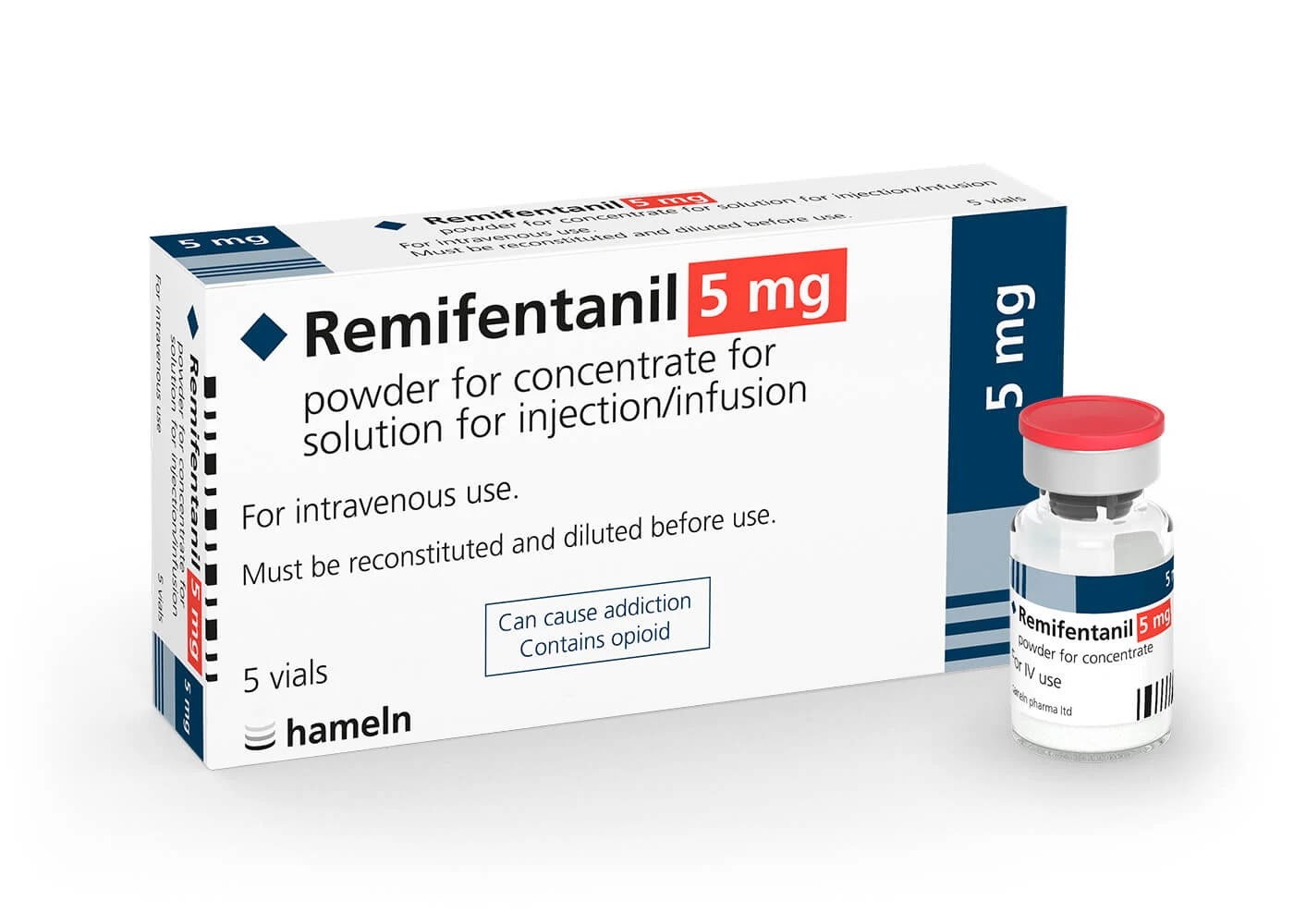
Remifentanil

Remifentanil

Remifentanil is a highly potent, ultra-short-acting synthetic opioid analgesic, primarily utilised in surgical settings for effective pain relief and sedation. Classified under the phenylpiperidine group of opioids, remifentanil stands out due to its rapid onset of action, typically within one to three minutes, and an exceptionally brief duration of effect. What makes remifentanil unique in the field of anaesthesia is its metabolism, which occurs through non-specific plasma and tissue esterases, rather than hepatic or renal pathways. This characteristic permits its safe administration across a broader range of patients and allows for swift recovery after discontinuation, making remifentanil a preferred choice in dynamic surgical procedures.


Image source Google

Propranolol

Propranolol: A Comprehensive Clinical Overview

Propranolol is a non-selective beta-adrenergic receptor antagonist that has maintained a central role in cardiovascular and neurological therapeutics since its inception in the 1960s. Due to its high lipophilicity, Propranolol readily crosses the blood-brain barrier, allowing it to exert effects on the central nervous system. By inhibiting both beta-1 and beta-2 adrenergic receptors, it reduces sympathetic nervous activity, leading to decreased heart rate, myocardial contractility, and systemic vascular resistance. Its clinical versatility and long-established safety make it indispensable in both acute and chronic medical care.


Image source Google

Montelukast

Montelukast: Comprehensive Overview

Montelukast is a selective leukotriene receptor antagonist (LTRA) widely employed for the prophylactic and maintenance treatment of asthma and the alleviation of allergic rhinitis symptoms. It acts by competitively inhibiting leukotriene binding to receptors on airway smooth muscles and vascular endothelium. Leukotrienes are potent inflammatory mediators that contribute to asthma by promoting bronchoconstriction, mucus secretion, and airway oedema. By mitigating these effects, Montelukast reduces airway inflammation, improves airflow, and provides symptomatic relief, serving as a vital oral adjunct or alternative to inhaled therapies.


Image source Google

Reproduction and Microbial Growth of Microorganisms

Reproduction and Microbial Growth of Microorganisms

Microorganisms—including bacteria, fungi, viruses, protozoa, and algae—comprise a vast and diverse group of life forms whose small size conceals their immense biological significance. These microscopic entities play pivotal roles in ecosystems, human health, and technological innovation. Their remarkable capacities for rapid reproduction and adaptive growth are fundamental to medicine, agriculture, environmental management, and industrial biotechnology. A deep understanding of microbial reproduction and growth is crucial for driving advancements across these fields.

Growth and Nutrition of Microorganisms

Growth and Nutrition of Microorganisms

Microorganisms a diverse group encompassing bacteria, archaea, fungi, protozoa, algae, and viruses are the cornerstone of all ecosystems. Their metabolic versatility, ecological roles, and ability to adapt to diverse environmental conditions make them critical players in both natural and engineered systems. For students and professionals in microbiology, understanding the principles governing microbial growth and nutrition is fundamental not only for academic development but also for applications in medicine, biotechnology, environmental science, and agriculture.


Image source Google

Microorganisms (Morphology & Physiology)

Morphology and Physiology of Microorganisms

Microorganisms, despite their microscopic size, are indispensable to life on Earth. They are central to ecosystem functioning, play a crucial role in industrial and medical applications, and significantly influence human health and environmental stability. Understanding their morphology (structural characteristics) and physiology (biochemical and functional processes) provides critical insights into microbial behaviour, pathogenicity, and technological exploitation in fields such as biotechnology, medicine, and environmental science.

Classification of Microorganisms

Classification of Microorganisms

Microorganisms are incredibly diverse and exist in nearly every environment on Earth. They are essential to life, playing vital roles in ecosystems, industry, medicine, and scientific research. To better understand their functions and interactions, scientists categorise microorganisms based on various criteria such as structure, shape, metabolic activity, and genetic composition.

This guide provides a comprehensive overview of the major classification systems used to study microorganisms, highlighting key characteristics and examples for each category.


Image source Google

My Blog List